
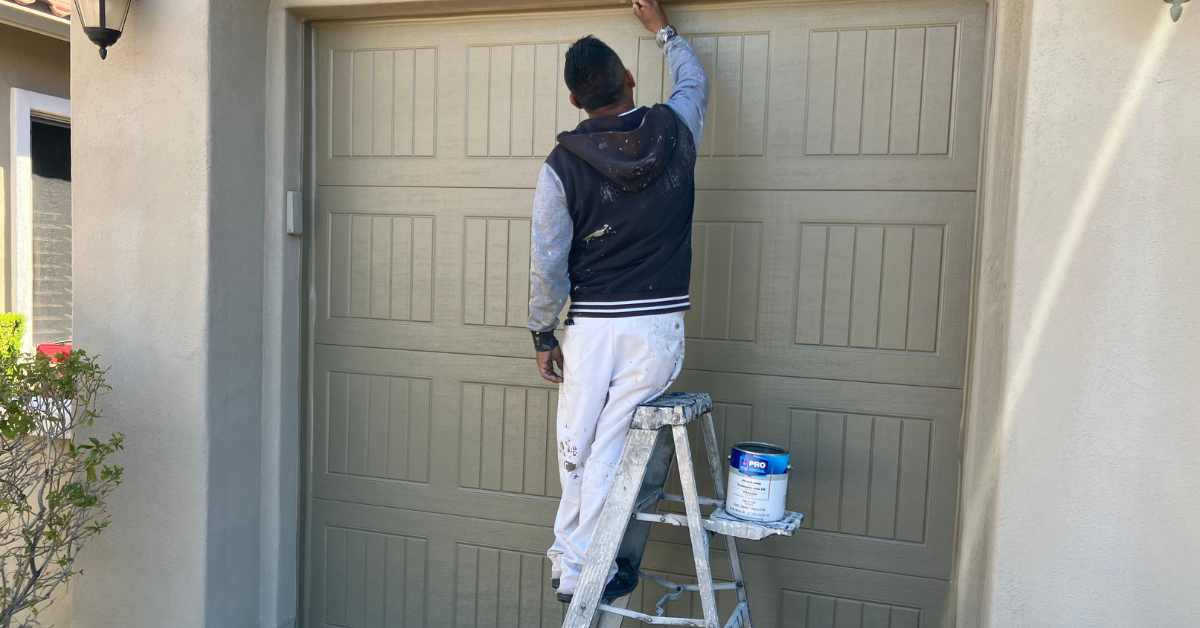
Why Heat Makes a Difference
Painting in high temperatures offers both benefits and drawbacks. On the plus side, heat speeds up drying time and reduces mildew risk. However, it can cause paint to dry too fast, leading to brush marks, blistering, and uneven color. Homeowners must adjust their painting process to protect both the paint and their property.
Ideal Temperature Ranges for Painting
Exterior Painting
-
Aim for 50 to 85°F for optimal adhesion and drying.
-
If temperatures exceed 90°F, avoid direct sun and paint during early morning or late afternoon.
-
Direct sunlight on walls can cause rapid skinning and even cracking.
Interior Painting
-
Keep your home between 60 to 85°F for best paint performance.
-
Use portable fans to circulate air without accelerating drying too quickly.
Best Practices for Heat-Avoidance
Time Your Painting
Begin early before 10 AM and finish by 4 PM to avoid midday heat spikes.
Work in shaded areas and plan according to seasonal sunlight.
Proper Surface Preparation
-
Clean walls thoroughly, dust and sweat can prevent proper adhesion.
-
Fill cracks and sand surfaces smoothly.
-
Always use primer to shield and prepare surfaces for the paint.
Selecting the Right Paint for High Heat
Choose paints formulated for extreme temperatures.
Opt for high-quality, heat-resistant, UV-inhibiting, and flexible products.
For exteriors, use 100% acrylic paints with exceptional adhesion and weather resistance.
Indoors, select low-VOC, fast-drying formulas that won’t smell strong in warmer conditions.
Application Techniques for High Temperatures
Thin Coats Are Key
Apply thin coats rather than thick ones to avoid blistering.
Maintain wet edges and use consistent back‑rolling for smooth coverage.
Keep Tools Cool
Store brushes and rollers in shade or cooled containers.
Use cooler paint mixes at 70 to 80°F to control dry time.
Maintain Hydration
Stay hydrated and take breaks in shaded areas, heat affects painter performance.
Protecting Your Work in the Heat
Avoid Direct Sun After Painting
Paint remains sensitive for 24 to 48 hours.
Protect with fences, shades, or temporary tarps against sun and wind.
Monitor for Blistering or Cracking
Inspect after a few days.
If paint has blistered, lightly sand the area and apply a fresh coat when temperatures drop.
Why iPaintHomes Excels in Hot Weather Painting
-
We schedule work during cooler hours or shaded spots.
-
Our crews prep surfaces thoroughly to prevent paint issues.
-
We use high-temperature-compatible paints and proper tool storage.
-
We protect surfaces post-application to ensure a long-lasting result.
Frequently Asked Questions (FAQ)
Q: Can I add water to speed up paint drying?
No, thinning paint alters its composition and causes poor coverage or peeling later.
Q: Are spray methods better in heat?
Sprayers are fast, but they risk overspray and uneven coverage. Rollers and brushes offer more control in high heat.
Q: Should I pause if it gets too hot?
Yes. If temps rise above 95°F, pause painting and resume under safer conditions to maintain results.
Summary
Painting in high heat calls for careful planning, proper materials, and precise timing.
By prepping thoroughly, choosing heat-tolerant products, painting early or late, and protecting your work, you ensure professional-grade results.
iPaintHomes brings experienced teams, premium paints, and smart methods to deliver exceptional quality, even under summer sun.