
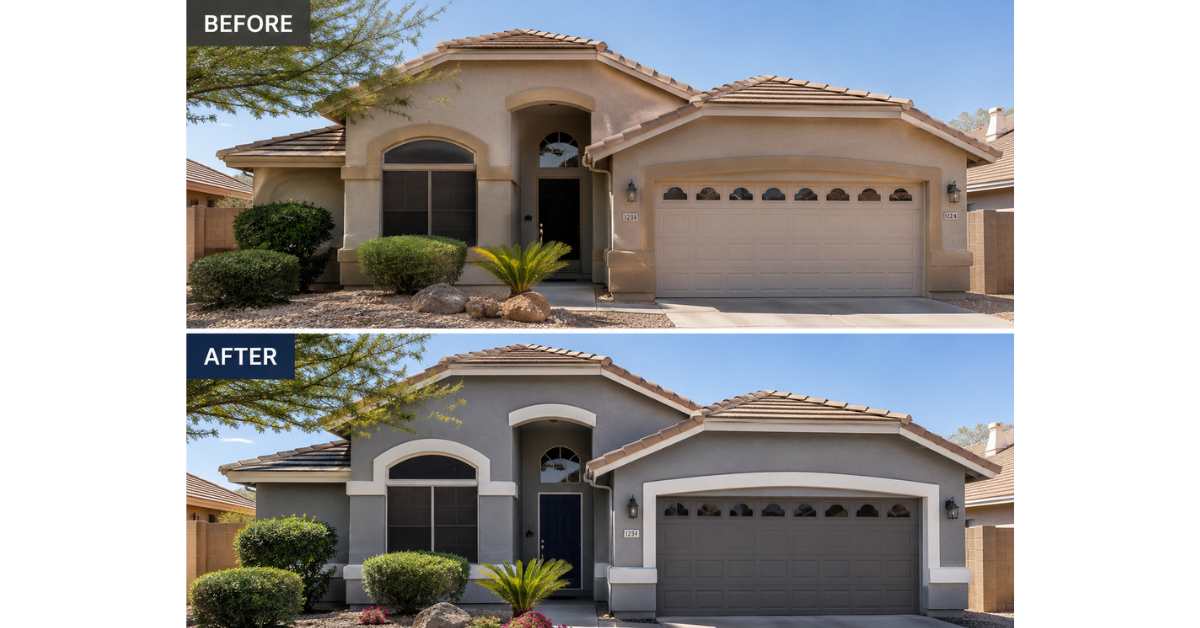
Few home improvements create such an immediate difference as a fresh paint job.
A room that once felt dark, dated, or worn can suddenly feel brighter and more inviting. An exterior faded by years of sun and weather can look clean, updated, and well cared for again. The architecture stays the same, but the entire home feels different.
That transformation is about more than choosing a new color.
Over time, interior walls collect scuffs, stains, nail holes, dents, and everyday wear. Exterior surfaces deal with sunlight, wind, rain, dust, and changing temperatures. Paint slowly loses its color, adhesion, and protective qualities, often so gradually that homeowners do not notice how much the home has changed.
Professional repainting restores that lost appearance while helping protect the surfaces underneath.
At iPaint Homes, we specialize in residential repainting for existing homes. Whether you want to refresh one room, update several interior spaces, or completely repaint your exterior, our team provides careful preparation and professional results designed to last.
Here are seven ways professional house painting can transform how your home looks, feels, and performs.
1. Fresh Exterior Paint Creates a Stronger First Impression
The outside of your home is the first thing visitors, neighbors, and potential buyers notice.
Beautiful landscaping and a well-maintained yard help, but faded, peeling, or chalky paint can still make the property look older than it is. Worn trim, cracked caulking, and sun-damaged doors may also create the impression that the home has not been maintained.
A professional exterior repaint can quickly restore:
- Stucco
- Siding
- Fascia
- Trim
- Shutters
- Entry doors
- Garage doors
- Exterior accents
The color does not always need to change dramatically. Repainting the home in a similar color can still produce a major before-and-after difference because the new finish looks cleaner, richer, and more even.
A fresh exterior also helps highlight architectural details that may have disappeared beneath years of fading and weather exposure.
Small Color Changes Can Make a Big Difference
Sometimes the most effective exterior update comes from changing only a few details.
For example, homeowners may keep the main body color while updating:
- The front door
- Trim
- Garage door
- Shutters
- Fascia
- Decorative accents
A darker front door can add contrast. Fresh white or cream trim may create a cleaner outline. A more modern accent color can update the home without making it feel out of place in the neighborhood.
Professional painters can help homeowners choose combinations that complement the roof, stonework, landscaping, and surrounding homes.
2. Interior Paint Makes Rooms Feel Cleaner and Brighter
Interior paint affects more than the color of the walls. It changes how light moves through a room and how clean, open, or comfortable the space feels.
Older paint gradually loses brightness. High-traffic areas may collect scuffs and fingerprints, while living rooms and bedrooms can develop nail holes, faded patches, and marks from furniture.
Because the wear develops slowly, it often becomes part of the background. Homeowners may not realize how dull the walls look until the repaint is complete.
Fresh interior paint can make a room feel:
- Brighter
- Cleaner
- Larger
- More modern
- Better maintained
- More welcoming
Even without replacing the flooring, furniture, or lighting, a new wall color can give the entire space a noticeable lift.
Lighter Colors Can Open Up Small Spaces
Light colors reflect more natural and artificial light, which can make smaller rooms feel less confined.
Soft whites, warm neutrals, pale grays, and subtle beige tones often work well in:
- Hallways
- Guest bedrooms
- Bathrooms
- Home offices
- Smaller living areas
The right lighter color can also help connect rooms and create a more consistent flow throughout the home.
Deeper Colors Can Add Warmth and Character
Not every room needs to be light or neutral.
Deeper colors can create warmth, drama, or a more comfortable atmosphere in dining rooms, bedrooms, offices, and accent areas.
The key is balancing the color with the room’s lighting, size, flooring, furnishings, and purpose.
A professional repaint gives homeowners the opportunity to make the space feel intentional rather than simply covering old marks.
3. Professional Preparation Produces a Cleaner Finish
One of the biggest differences between a professional repaint and a rushed DIY project is the preparation that happens before the paint is opened.
Paint cannot hide every flaw. In fact, fresh paint can make dents, cracks, rough patches, and poor repairs more noticeable if the surface is not prepared correctly.
Professional painters evaluate the walls, trim, and exterior surfaces before application begins.
Preparation may include:
- Cleaning dirt and residue
- Filling nail holes
- Repairing minor cracks
- Patching dents
- Sanding rough areas
- Removing loose paint
- Scraping peeling surfaces
- Caulking gaps
- Priming repaired or bare areas
- Protecting floors, furniture, and landscaping
These steps create a smoother, more consistent surface for the new coating.
Cleaning Helps Paint Bond Properly
Dust, grease, smoke residue, and household grime can interfere with adhesion.
Kitchens, bathrooms, hallways, and frequently touched areas often require extra cleaning before painting. Exterior surfaces may also carry chalking, dirt, dust, or mildew that should be addressed before recoating.
Applying paint over a dirty surface can lead to:
- Uneven coverage
- Poor adhesion
- Peeling
- Visible texture
- Shorter coating life
Proper cleaning gives the new paint a better surface to grip.
Repairs Matter as Much as the Color
Small defects may seem unimportant when the walls are already worn. Once a fresh color is applied, however, those defects can stand out.
Careful patching and sanding help create smooth transitions so the repaired areas do not appear as raised spots or obvious shadows.
The difference between an average paint job and a polished result often comes down to this preparation.
4. Quality Paint Improves Durability and Appearance
Not all paint performs the same way.
Lower-quality products may require more coats, provide less consistent coverage, or show wear sooner in busy areas. Premium paint is generally formulated to deliver stronger color, better adhesion, and greater resistance to normal household use.
Quality paint may provide:
- Better hide and coverage
- Richer, more consistent color
- Improved washability
- Greater stain resistance
- Better resistance to fading
- A smoother finished appearance
- Longer-lasting protection
The correct product also depends on where it will be used.
Bathrooms and kitchens may need coatings that handle moisture and frequent cleaning. Hallways and family rooms benefit from washable finishes. Exterior paint must withstand sunlight, temperature changes, wind, and weather.
A professional painter can recommend the right product and sheen for each surface instead of using the same paint everywhere.
Choosing the Right Sheen Matters
Paint sheen affects both appearance and performance.
Common options include:
- Flat
- Matte
- Eggshell
- Satin
- Semi-gloss
- Gloss
Flat and matte finishes can help soften wall imperfections, while satin and semi-gloss finishes are generally easier to clean.
Trim, doors, cabinets, and high-use surfaces often benefit from a more durable finish than walls.
The right combination helps every part of the room look finished while supporting practical everyday use.
5. Exterior Paint Helps Protect the Home
Exterior paint is not only decorative. It also acts as a protective layer over the materials beneath it.
Sunlight, heat, rain, wind, and moisture gradually break down exterior coatings. Once the paint begins cracking or peeling, the exposed surface may become more vulnerable to further wear.
A properly applied exterior coating can help protect:
- Stucco
- Wood trim
- Fascia
- Siding
- Doors
- Shutters
- Exterior accents
Keeping paint in good condition can help reduce moisture intrusion and slow deterioration of the underlying building materials.
Early Repainting Can Help Prevent Larger Repairs
Waiting until paint is severely peeling may lead to more preparation and repair work.
For example, bare wood can absorb moisture and begin deteriorating. Cracked caulking may allow water into gaps. Damaged stucco may worsen when left exposed.
Repainting before the coating completely fails can help homeowners avoid more extensive repairs later.
Signs the exterior may need attention include:
- Fading
- Chalking
- Cracking
- Peeling
- Exposed wood
- Failed caulking
- Uneven color
- Water staining
A professional painter can inspect these areas and determine what preparation is needed before the new coating is applied.
6. New Colors Can Change the Mood of the Entire Home
Color has a strong effect on how a home feels.
Some colors make rooms feel open and airy. Others create warmth, comfort, energy, or calm. A color that worked years ago may no longer fit the homeowner’s style, furniture, flooring, or lighting.
Professional repainting provides an opportunity to create a more connected look throughout the house.
Neutral Colors Create Flexibility
Neutral colors remain popular because they work with many decorating styles.
They can provide a clean background for:
- Artwork
- Furniture
- Flooring
- Accent pieces
- Window treatments
- Seasonal décor
Warm whites, beige tones, soft grays, and muted earth colors can also help one room flow naturally into the next.
Accent Colors Add Personality
Accent walls, doors, built-ins, or selected architectural features can introduce color without overwhelming the home.
A carefully chosen accent may highlight:
- A fireplace
- A dining area
- A staircase
- Built-in shelving
- An entryway
- A bedroom wall
The goal is to use color in a way that complements the home rather than competing with everything around it.
Exterior Color Can Modernize an Older Home
An older home does not always need major remodeling to feel updated.
A fresh exterior palette can make dated architecture feel cleaner and more current. Updating trim, door, and body colors can create stronger contrast and improve the overall balance of the exterior.
The best exterior colors should work with permanent features such as:
- Roofing
- Stone
- Brick
- Concrete
- Pavers
- Landscaping
Professional guidance can help homeowners avoid colors that look good on a small sample but feel too bright, dark, or overwhelming across the entire home.
7. Professional Painting Saves Time, Stress, and Cleanup
Painting often looks simple before the project begins.
Then homeowners start moving furniture, removing wall décor, patching holes, taping trim, buying supplies, cutting in around ceilings, and trying to keep paint off the floor.
A single room may take much longer than expected. A full interior or exterior can quickly become an exhausting project that stretches across several weekends.
Hiring professional painters allows homeowners to avoid many common frustrations, including:
- Uneven coverage
- Roller marks
- Paint drips
- Crooked lines
- Missed repairs
- Paint on floors or fixtures
- Incomplete edge work
- Large amounts of cleanup
- Repeated trips for supplies
Experienced painters use established methods to move the project forward efficiently while maintaining a consistent finish.
Professionals Bring the Right Equipment
A quality paint job may require more than brushes and rollers.
Professional crews may use:
- Ladders
- Extension poles
- Sprayers
- Drop cloths
- Plastic sheeting
- Sanding equipment
- Caulking tools
- Surface cleaners
- Specialty primers
- Safety equipment
Having the correct tools helps the crew work more efficiently and reach difficult areas safely.
Cleanup Is Part of the Job
A professional repaint should leave the home looking refreshed, not covered in dust, tape, and empty paint containers.
Careful cleanup includes removing protective materials, collecting debris, reinstalling selected items, and checking the completed surfaces.
That attention to the final details is part of the transformation.
Professional Painting Can Improve Market Appeal
Fresh paint may not increase a home’s appraised value dollar for dollar, but it can have a strong effect on buyer perception.
A clean, updated paint job helps a home feel:
- Well maintained
- Bright
- Move-in ready
- Current
- Comfortable
- Cared for
Buyers may be less distracted by scuffs, stains, peeling paint, or outdated colors. They can focus on the home itself rather than immediately thinking about repairs and repainting.
Exterior paint also affects curb appeal before a buyer enters the home. A clean exterior can create a positive first impression that carries into the showing.
Even homeowners who are not planning to sell benefit from maintaining the appearance and protection of one of their largest investments.
Painting Can Renew Pride in Your Home
Homeowners often become used to the condition of their walls and exterior surfaces.
They stop noticing the faded hallway, scratched family room, worn front door, or chalky stucco because they see those areas every day.
After the repaint, the reaction is often immediate.
The home feels cleaner. The rooms feel brighter. The exterior feels more welcoming. Pulling into the driveway or walking through the front door becomes more enjoyable.
That renewed sense of pride is difficult to measure, but it is one of the most meaningful benefits of professional painting.
A repaint can help an older home feel new again without the disruption or cost of a major renovation.
When Is It Time to Repaint Your Home?
There is no single repainting schedule that applies to every house.
The timing depends on the previous paint, surface condition, climate, exposure, room use, and quality of the original application.
However, several signs suggest it may be time to repaint.
Signs Your Interior Needs Repainting
Look for:
- Scuff marks
- Stains
- Faded areas
- Nail holes
- Dents
- Peeling paint
- Cracks
- Water marks
- Outdated colors
- Uneven touch-ups
High-traffic areas such as hallways, kitchens, family rooms, and children’s bedrooms may show wear sooner than guest rooms or less-used spaces.
Signs Your Exterior Needs Repainting
Exterior warning signs include:
- Chipping
- Peeling
- Fading
- Chalking
- Cracked caulking
- Bare wood
- Weather damage
- Uneven finish
- Bubbling
- Staining
Addressing these problems early can help reduce the amount of repair required before repainting.
What to Expect From a Professional House Painting Project
Understanding the process can help homeowners feel more comfortable before the work begins.
A professional repaint generally includes several stages.
Initial Consultation
The painter reviews the scope of the project, discusses colors and finishes, and evaluates the surfaces.
Written Estimate
The proposal should explain what areas are included, what preparation will be completed, and what products may be used.
Surface Preparation
The crew protects the home, cleans surfaces, completes repairs, sands rough areas, and primes where necessary.
Paint Application
The painters apply the selected coatings using methods appropriate for each surface.
Inspection and Touch-Ups
The crew checks coverage, edges, repairs, and overall appearance before completing any needed touch-ups.
Cleanup
Protective materials, debris, and equipment are removed so the homeowner can enjoy the finished space.
Clear communication throughout the project helps prevent surprises and creates a smoother experience.
Why Homeowners Choose iPaint Homes
At iPaint Homes, residential repainting is our specialty.
We focus on helping homeowners refresh, update, and protect existing homes through professional interior and exterior painting. Because repainting occupied homes requires care and attention, our team works to protect your property, maintain a clean jobsite, and minimize unnecessary disruption.
Homeowners choose iPaint Homes for:
- Professional interior painting
- Exterior house painting
- Residential repainting
- Thorough surface preparation
- Quality paints and materials
- Skilled painters
- Careful protection of the home
- Clean job sites
- Reliable scheduling
- Friendly communication
- Long-lasting results
Whether you are updating one room, repainting several interior spaces, or giving the entire exterior a fresh new look, we approach each project with attention to detail.
Our goal is not simply to change the color. It is to leave your home looking cleaner, brighter, and better maintained.
Frequently Asked Questions About Professional House Painting
Is professional house painting worth the cost?
For many homeowners, yes. Professional painting saves time, reduces stress, improves surface preparation, and produces a more consistent finish. Quality preparation and materials can also help the paint last longer.
How much preparation is needed before painting?
The amount depends on the condition of the surface. Preparation may include cleaning, patching holes, sanding, scraping loose paint, repairing cracks, caulking gaps, and priming bare or repaired areas.
Should I repaint before selling my home?
Fresh paint can improve market appeal by making the home feel cleaner, brighter, and move-in ready. Neutral colors often help buyers imagine their own furnishings in the space.
Can I keep the same exterior colors?
Absolutely. Repainting with the same or a similar color can still create a dramatic improvement because the finish becomes clean, uniform, and vibrant again.
How do I choose the right paint color?
Consider the room’s natural light, flooring, furniture, permanent finishes, and the way adjacent rooms connect. Exterior colors should also complement the roof, stonework, landscaping, and neighborhood.
How long does a professional paint job last?
The lifespan varies based on the product, surface preparation, climate, exposure, and normal wear. A properly prepared surface coated with quality paint generally lasts longer than a rushed application.
Do professional painters protect furniture and flooring?
A reputable residential painter should use drop cloths, plastic, masking materials, and other protective measures to reduce the risk of paint reaching floors, furniture, fixtures, and landscaping.
Final Thoughts
The before-and-after difference created by professional house painting can be dramatic.
Fresh paint improves curb appeal, brightens interior spaces, protects exterior surfaces, modernizes outdated colors, and helps the entire property feel better maintained. Just as importantly, professional preparation and quality products create a finish that looks cleaner and lasts longer than a rushed weekend project.
Painting is one of the most practical ways to transform an existing home without taking on a major renovation.
At iPaint Homes, we specialize in residential repainting for homeowners who want careful preparation, quality workmanship, and beautiful results. Whether you are refreshing a single room or repainting your entire exterior, our team is ready to help your home look fresh, clean, and cared for again.
Comma-Separated Tags
professional house painting, residential repainting, interior house painting, exterior house painting, home painting services, house repainting, interior painting contractor, exterior painting contractor, residential painters, home improvement, curb appeal, painting existing homes, professional painters, wall painting, exterior home makeover, interior home makeover, house painting tips, iPaint Homes, residential painting company, home painting
ALT Image
Before-and-after comparison of an existing residential home transformed with professional interior and exterior painting, showing freshly painted walls, repaired surfaces, updated trim, and improved curb appeal by iPaint Homes.